8 Steps After a High GDS Score: Senior Depression Self-Guide
Getting a high score on the Geriatric Depression Scale (GDS) can be unsettling. But rather than seeing it as a final verdict, view it as the first step toward improving your emotional well-being. The GDS is a valuable screening tool designed to help identify signs of depression in older adults. It provides a snapshot of your emotional health, not a final diagnosis.
What do you do after getting a high GDS score? This self-guide is designed to provide clear, practical, and supportive steps you can take. These strategies are meant to complement, not replace, professional medical advice. If you're ready to understand your results and explore proactive ways to support your mental health, you're in the right place. For a baseline understanding of your emotional state, you can always start your test on our platform.
In this guide, I'll share eight practical steps to help you understand your results and take positive action for your mental health. Let's get started.

Understanding Your GDS Score Results
The first step is to demystify what your score means. Knowledge is empowering, and understanding the context of your GDS results can reduce anxiety and help you plan your next moves effectively. This section clarifies what the numbers indicate and when professional help is essential.
What Your GDS Score Actually Indicates
The Geriatric Depression Scale is a screening tool, not a diagnostic one. It consists of simple "yes" or "no" questions about your feelings over the past week. Your score reflects the number of answers that align with common symptoms of depression. A higher score suggests a higher likelihood that you may be experiencing depressive symptoms that warrant further discussion with a healthcare provider.
Think of it like a smoke detector. When it goes off, it doesn't mean the house is burning down, but it signals that you need to check for fire. Similarly, a high GDS score signals that it's time to check in on your mental health with a professional who can make an accurate diagnosis.
Normal vs. Concerning Ranges Explained Simply
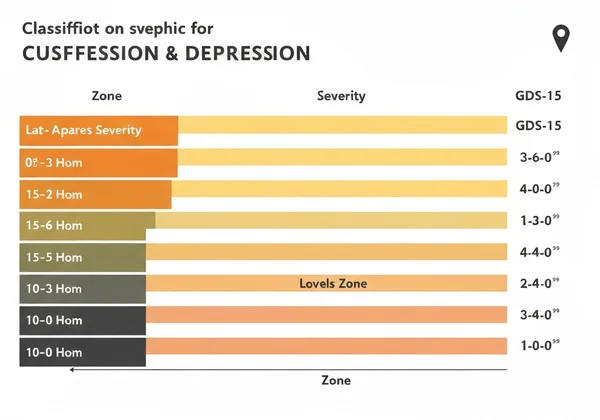
The GDS comes in two main versions: a 30-item long form and a 15-item short form. The scoring is straightforward, but the interpretation depends on which version you took.
Here is a general guide:
- GDS-30 (Long Form):
- 0-9: Considered within the normal range.
- 10-19: Suggests mild depression.
- 20-30: Suggests moderate to severe depression.
- GDS-15 (Short Form):
- 0-4: Considered within the normal range.
- 5-9: Suggests mild to moderate depression.
- 10-15: Suggests moderate to severe depression.
These ranges are not absolute rules. They are guidelines to help you and your doctor understand the potential severity of your symptoms. A score in the "concerning" range is simply a strong recommendation to seek a professional evaluation.
When to Seek Professional Help Immediately
While this guide focuses on supportive self-care strategies, some situations require immediate professional attention. If you are having thoughts of harming yourself or others, it is crucial to seek help right away. Contact a crisis hotline, go to the nearest emergency room, or call your local emergency number.
Furthermore, if your GDS score is in the high end of the severe range, or if your low mood is significantly interfering with your daily life—such as affecting your ability to eat, sleep, or care for yourself—it is important to schedule a doctor's appointment as soon as possible. Do not wait. Your well-being is the top priority.
Creating a Daily Support Routine
A structured day can provide a powerful sense of stability and purpose, which are often the first things to fade when we feel low. Creating a gentle, supportive routine helps you regain a sense of control and introduces positive habits that can naturally lift your mood. This isn't about a rigid schedule but about creating anchors in your day.
Structuring Your Day with Purposeful Activities
When you feel depressed, even small tasks can seem monumental. The key is to start with simple, achievable goals. Plan one or two small, purposeful activities for your morning, afternoon, and evening.
- Morning: Open the curtains to let in natural light, do a few gentle stretches, or listen to an uplifting piece of music while drinking your morning coffee.
- Afternoon: Spend 15 minutes on a hobby you enjoy, such as gardening, reading, or working on a puzzle. Even if you don't feel motivated, the act of doing it can help.
- Evening: Prepare a simple, healthy meal. Write down one thing you are grateful for from the day. Read a chapter of a book to unwind before bed.
These small actions create momentum and prove that you can still accomplish things, which is a powerful antidote to feelings of helplessness.
Senior-Friendly Physical Exercises That Boost Mood
Physical activity is one of the most effective non-medical strategies for improving mood. Exercise releases endorphins, which are natural mood elevators. You don't need to run a marathon; gentle, consistent movement is what counts.
Consider these senior-friendly options:
- Walking: A brisk 20-30 minute walk each day can make a significant difference.
- Chair Yoga: This adapted form of yoga improves flexibility, balance, and mindfulness without putting stress on your joints.
- Tai Chi: This gentle martial art is known as "meditation in motion" and is excellent for both mental and physical balance.
- Water Aerobics: The buoyancy of water supports your body, making it a low-impact way to get a full-body workout.
Always consult your doctor before starting a new exercise program, especially if you have pre-existing health conditions.

Nutrition Tips for Emotional Well-being
The link between what we eat and how we feel is undeniable. A balanced diet can support stable energy levels and brain health. While no food is a magic cure, some nutrients are known to support emotional well-being.
Focus on incorporating these into your diet:
- Omega-3 Fatty Acids: Found in fatty fish (like salmon), walnuts, and flaxseeds, these are crucial for brain function.
- Complex Carbohydrates: Foods like whole grains, beans, and vegetables provide a steady supply of energy, avoiding the "crash" associated with sugary snacks.
- Lean Proteins: Turkey, chicken, eggs, and beans contain amino acids that are precursors to mood-regulating neurotransmitters.
- Hydration: Dehydration can lead to fatigue and fuzzy thinking. Be sure to drink plenty of water throughout the day.
Building Meaningful Social Connections
Loneliness and isolation are major risk factors for depression in older adults. Intentionally building and nurturing your social network is a vital step toward better emotional health. Feeling connected to others reminds us that we are not alone and that we are valued.
Reaching Out to Family and Friends Effectively
Sometimes, the hardest step is the first one: reaching out. You don't have to have a long, deep conversation about your feelings right away. The goal is simply to connect.
Try these simple approaches:
- Schedule a call: Put a "phone date" with a friend or family member on your calendar.
- Send a short text or email: A simple "Thinking of you, hope you're having a good day" can open the door for conversation.
- Be honest, but brief: If you're comfortable, you can say, "I've been feeling a bit low lately and would love to hear your voice."
People who care about you want to help, but they may not know how. Making the first move, however small, can bridge that gap.
Finding Community Groups That Match Your Interests
Connecting with people who share your interests can create new and rewarding friendships. Local senior centers, community colleges, and libraries are excellent resources for finding groups and classes.
Consider looking for:
- A book club
- A walking group
- A crafting circle (knitting, quilting, painting)
- A volunteer opportunity
- A local history society
Engaging in a shared activity takes the pressure off making conversation and allows connections to form more naturally. Checking online community boards or local newspapers can reveal many opportunities.
Technology Solutions for Staying Connected
Technology can be a wonderful tool for overcoming physical distance. If mobility is a challenge, video calls can help you see the faces of loved ones, making the connection feel more real than a phone call.
- Video Calls: Platforms like FaceTime, Zoom, and WhatsApp are user-friendly ways to connect with family and friends.
- Social Media: Joining a Facebook group for a hobby you enjoy can connect you with a global community of like-minded people.
- Online Classes: Many organizations offer online courses specifically for seniors, covering everything from art history to learning a new language.
Don't be afraid to ask a younger family member or a friend to help you get set up with these tools.
Professional Support Strategies
Self-care and social connection are essential pillars of mental wellness, but they work best when paired with professional guidance. A high GDS score is a cue to bring in an expert: your healthcare provider. This partnership is key to creating a comprehensive and effective care plan.
Preparing for Your Doctor's Visit
An effective doctor's visit starts with good preparation. Instead of just saying "I feel down," try to provide specific details. Before your appointment, take a few minutes to jot down some notes.
Consider including:
- Your GDS score and when you took the test. You can easily retake it on our website to have the most current information.
- A list of your symptoms (e.g., poor sleep, loss of appetite, lack of interest in hobbies).
- How long you have been feeling this way.
- Any major life changes or stressors that have occurred recently.
- A list of all medications and supplements you are currently taking.
Bringing this information helps your doctor get a clear picture of your situation quickly. To get the most precise data for this visit, consider using our free online tool and its optional AI-powered report for deeper insights.

Questions to Ask Your Healthcare Provider
Your appointment is a two-way conversation. Asking questions ensures you understand your health and are an active participant in your care plan.
Here are some important questions to ask:
- "Based on my GDS score and symptoms, what do you think is happening?"
- "Could any of my other health conditions or medications be contributing to how I feel?"
- "What are the different treatment options available? What are the pros and cons of each?"
- "Besides medication, what other therapies or lifestyle changes do you recommend?"
- "Can you refer me to a mental health specialist, like a therapist or psychiatrist?"
Write down the answers so you can review them later.
Tracking Progress Between Appointments
Managing emotional health is an ongoing process. Tracking your mood and symptoms between appointments provides valuable data for you and your doctor. It helps you see what's working and what's not.
You can use a simple notebook to rate your mood on a scale of 1 to 10 each day. Note your sleep quality, energy levels, and whether you engaged in any positive activities. Periodically retaking the GDS can also be a structured way to measure change. You can use our tool to see your results and see how your score changes over time.
This record allows your doctor to make more informed adjustments to your treatment plan, ensuring it remains tailored to your needs.
Your Personalized Path to Emotional Well-being
A high GDS score is not a label; it is a signpost pointing you toward action. By understanding your score, creating supportive routines, nurturing social bonds, and partnering with a healthcare professional, you are taking powerful steps on a personalized path to improved emotional health. Remember that small, consistent efforts create the most meaningful and lasting change.
Your journey is unique, and progress may not be linear. Be patient and compassionate with yourself. The most important takeaway is that you have the power to take positive action. Regularly monitoring your emotional state is a key part of this process.
Ready to take the next step? Use our free, confidential GDS assessment to get a clear picture of your current emotional well-being. Our unique, optional AI-powered report can provide even deeper, personalized insights to help you and your doctor create an effective plan. Start your assessment now and begin your journey toward a brighter tomorrow.
FAQ Section
Can I manage depression without medication?
It is possible for some people, especially those with mild symptoms, to manage depression through therapy, lifestyle changes, and social support alone. However, for moderate to severe depression, medication is often a very effective and necessary part of the treatment plan. This is a decision that must be made in consultation with a qualified healthcare professional who can assess your specific situation and recommend the best course of action.
How often should I retake the GDS assessment?
This depends on your situation. If you are starting a new treatment or making significant lifestyle changes, you might retake it every 4-6 weeks to monitor progress with your doctor. For general self-monitoring, every 3-6 months can be a good cadence. The GDS is a great tool for tracking changes over time, and you can always use our free GDS tool to check in.
What if I follow these steps but still feel low?
It is common for progress to have ups and downs. If you have been consistently applying these strategies and working with your doctor but still feel stuck, it is crucial to communicate this to your healthcare provider. They may need to adjust your treatment plan, consider a different medication, or refer you to a specialist. Don't give up; finding the right combination of support can take time.
Are these steps safe for seniors with other health conditions?
Most of these steps—such as gentle exercise, balanced nutrition, and social connection—are beneficial for overall health. However, it is essential to consult your doctor before making any significant changes to your diet or exercise routine, especially if you have chronic conditions like heart disease, diabetes, or mobility issues. Your doctor can help you tailor these strategies to fit your specific health needs safely.