Anxiety in the Elderly Symptoms: Signs, Night Worry, and Support
Anxiety in the elderly symptoms can be easy to miss because they often look like sleep trouble, irritability, stomach discomfort, repeated reassurance seeking, or withdrawal from ordinary routines. An older adult may not say, "I feel anxious." They may say they cannot settle down, feel unsafe alone, dread appointments, or wake at night with racing thoughts. If worry overlaps with low mood or loss of interest, a private senior mood screening resource can be one gentle way to organize concerns before speaking with a health professional.
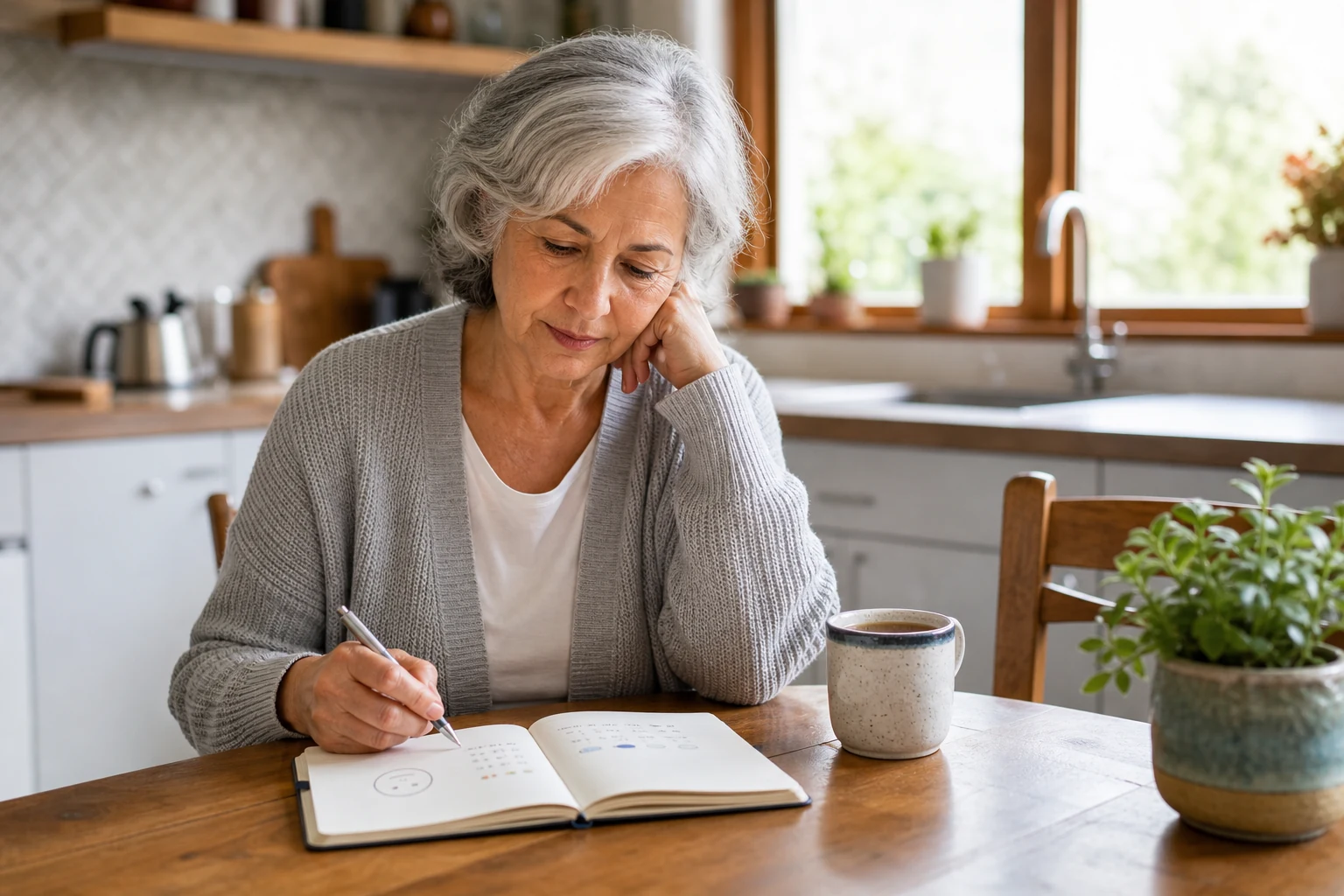
Why Anxiety Symptoms Can Look Different in Later Life
Later-life anxiety is not simply "being a worrier." Many older adults face real stressors: chronic illness, pain, changing mobility, grief, financial concerns, caregiving strain, medication changes, and fear of losing independence. Those stressors can make worry understandable. Anxiety becomes more concerning when fear feels hard to control, lasts, disrupts sleep, reduces activity, or keeps someone from doing things that matter to them.
Symptoms may also be harder to name. Some older adults grew up in families where emotional distress was rarely discussed. Others may focus on physical symptoms because those are the clearest signals they feel. A pounding heart, tight chest, nausea, trembling hands, dizziness, muscle tension, or headaches can all become the reason for repeated worry, even when medical tests have not found a clear emergency.
This is why observation matters. A family member may notice that a parent has stopped driving, stopped answering the phone, checks blood pressure repeatedly, asks the same safety question many times, or becomes agitated before routine appointments. One behavioral symptom of anxiety in older adults is avoidance: slowly giving up normal activities because they feel too uncertain or unsafe.
Anxiety Symptoms Families Often Notice First
The signs and symptoms of anxiety in the elderly often fall into four overlapping groups. None of these signs proves a specific condition by itself, but patterns can help guide a useful conversation.
Physical symptoms may include a racing heartbeat, shortness of breath, sweating, trembling, stomach upset, diarrhea or constipation, chest tightness, dry mouth, fatigue, muscle tension, headaches, or feeling lightheaded. These symptoms deserve medical attention when they are new, intense, or unusual, especially because heart, thyroid, medication, pain, sleep, and substance-related issues can sometimes mimic or worsen anxiety.
Emotional symptoms may include excessive worry, fear of being alone, dread before small tasks, feeling on edge, sudden alarm, irritability, anger, or a sense that something bad is about to happen. Some older adults describe this as "nerves" or "not feeling right" rather than anxiety.
Cognitive symptoms may include trouble concentrating, repeated checking, trouble making decisions, intrusive worries, or asking for reassurance again and again. Families sometimes mistake this for stubbornness or memory decline, but anxiety itself can make attention and recall feel worse.
Behavioral symptoms may include avoidance, pacing, restlessness, calling family repeatedly, refusing social events, canceling appointments, hoarding supplies "just in case," or relying more heavily on another person to handle ordinary tasks.
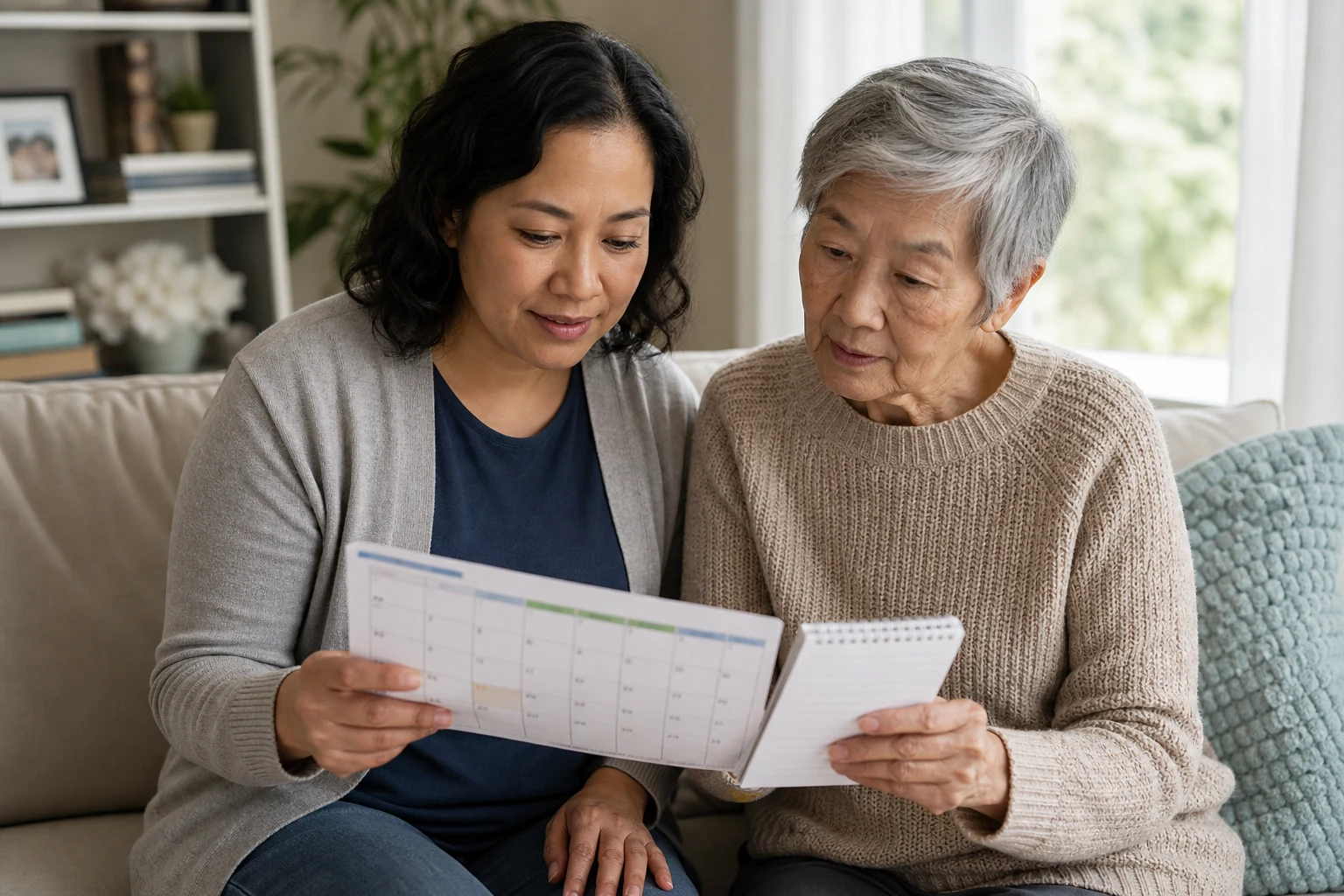
Anxiety in Elderly at Night
Anxiety in elderly at night can feel especially frightening because the house is quiet, distractions fade, and physical sensations become more noticeable. Worry may build around sleep itself: "What if I cannot fall asleep?" "What if I need help?" "What if this chest tightness means something serious?" Once that loop starts, the body may stay alert even when the person is exhausted.
Night anxiety may show up as trouble falling asleep, waking often, early morning worry, calling family late at night, pacing, checking locks, checking symptoms, or feeling afraid to be alone. It may also appear as daytime fatigue, naps that disrupt the next night, or more irritability the following day.
A gentle response starts with pattern tracking. Note when the worry begins, whether caffeine or alcohol is involved, whether pain is worse at night, whether medication timing changed, and whether daytime isolation is making the evening feel longer. A predictable wind-down routine can help: dim lights, reduce news and upsetting media, prepare tomorrow's essentials earlier, use a comfortable temperature, and keep a simple reassurance plan nearby.
If nighttime symptoms include chest pain, fainting, severe shortness of breath, sudden confusion, signs of stroke, or risk of self-harm, treat it as urgent and seek emergency help. For recurring non-emergency night anxiety, a primary care clinician can review sleep, pain, medical conditions, medication effects, and mental health support options.
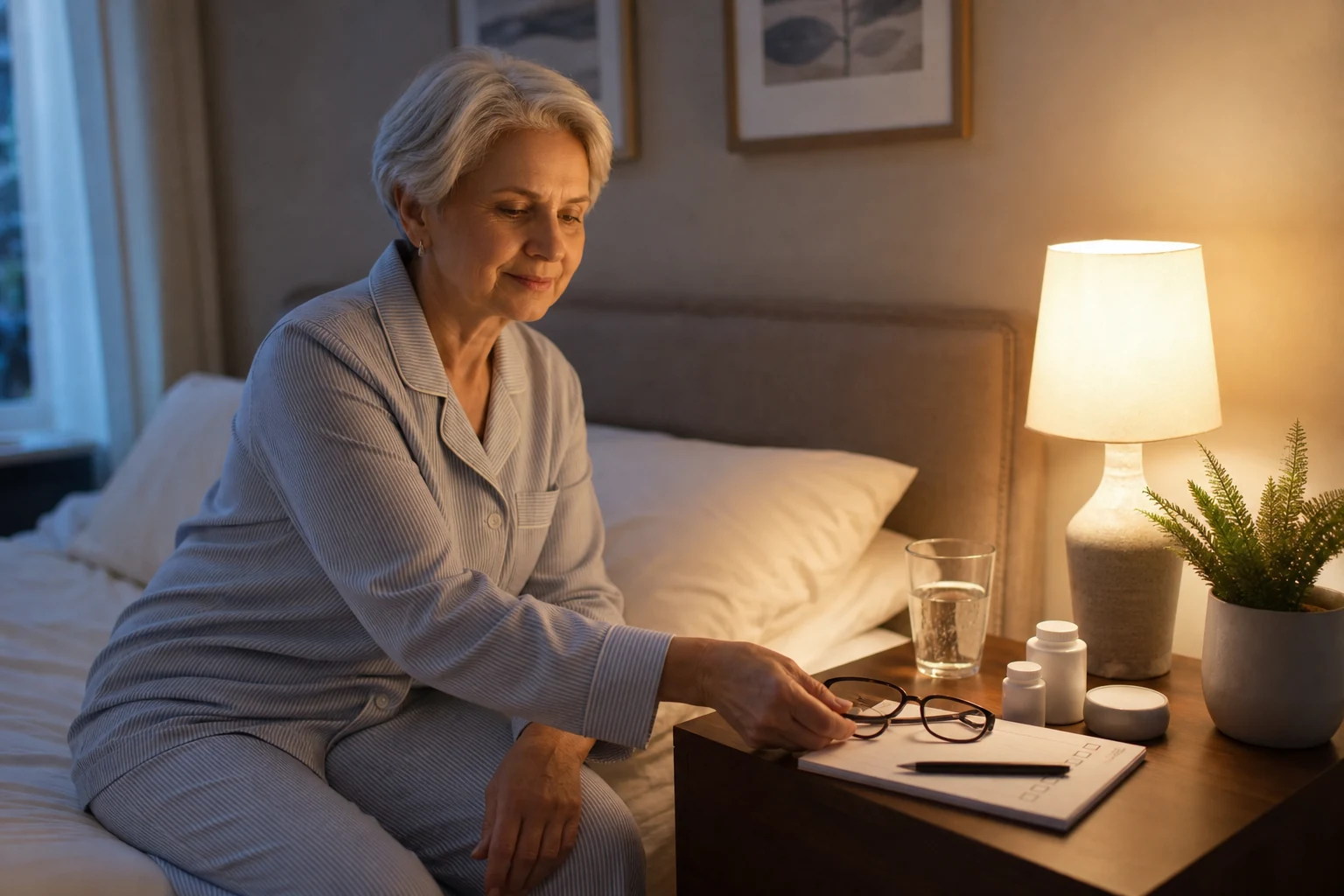
Common Causes and Health Factors to Discuss
There is rarely one single cause of anxiety in the elderly. It is usually a mix of body, mind, environment, and life changes. Common contributors include chronic illness, pain, recent falls, fear of falling, loss of a spouse or friend, loneliness, reduced hearing or vision, financial strain, caregiving stress, major transitions, and uncertainty about independence.
Medical and medication factors deserve special care. Thyroid problems, heart rhythm changes, breathing disorders, low blood sugar, infections, dehydration, sleep disorders, and medication side effects can all contribute to anxiety-like symptoms. Caffeine, alcohol, cannabis, and withdrawal from certain sedating medicines can also affect sleep and worry. Because older adults often take multiple medicines, it is worth asking a clinician or pharmacist to review the full list, including supplements.
Generalized anxiety disorder is often discussed in older adults because it involves persistent, hard-to-control worry across many areas of life. Clients who have generalized anxiety disorder may feel restless, tired, tense, irritable, unable to concentrate, and unable to sleep well. Still, families should avoid trying to label the problem at home. The more useful goal is to describe what is happening, how long it has been happening, and how much it is interfering with daily life.
What Helps Without Making Unsafe Promises
The best support plan is usually individualized. For many older adults, anxiety improves when medical factors are addressed, daily structure returns, and the person has steady emotional support. Helpful non-drug steps may include regular movement approved by a clinician, social connection, predictable routines, calming breathing, mindfulness, pleasant activities, reduced caffeine, better sleep habits, and practical problem-solving.
Natural remedies for anxiety in elderly adults should be approached carefully. Gentle habits like walking, stretching, relaxation practice, music, sunlight, and social contact are usually safer starting points than supplements. Herbal products can interact with medicines or increase side effects. An older adult should check with a clinician or pharmacist before using supplements for anxiety, especially when taking blood thinners, heart medicines, sleep medicines, antidepressants, or pain medicines.
Therapy can also help. Cognitive behavioral therapy and related approaches can teach people to notice worry loops, reduce avoidance, and rebuild confidence step by step. Some people may benefit from medication, but there is no single "best anti anxiety medication for elderly" that fits everyone. A prescriber considers symptoms, other conditions, fall risk, memory concerns, kidney and liver function, current medicines, and personal history. Families can support the process by asking questions and watching for side effects rather than pushing for a quick fix.
When Anxiety and Depression Signs Overlap
Anxiety and depression often travel together in later life. A person who feels anxious may sleep poorly, withdraw, lose appetite, stop enjoyable activities, and feel hopeless about improvement. A person with depression may also worry more, feel physically tense, and become afraid of ordinary tasks. This overlap is one reason older adults and caregivers sometimes feel unsure where to begin.
Look for the practical impact. Has the person stopped doing meaningful activities? Are meals, sleep, hygiene, medications, bills, or appointments becoming harder? Is worry paired with sadness, loss of interest, guilt, or thoughts that life is not worth living? These details are more useful than trying to separate every symptom perfectly.
When low mood is part of the picture, a structured GDS-15 or GDS-30 reflection tool may help families notice depression-related patterns alongside anxiety concerns. A screening score is not a medical conclusion, but it can give an older adult, caregiver, or clinician a clearer starting point for discussion.
How to Prepare for a Calm Healthcare Conversation
Before an appointment, write down examples rather than interpretations. Instead of "Mom is anxious," try "Mom called six times after dinner this week because she feared something would happen overnight." Instead of "Dad refuses everything," try "Dad canceled church, grocery shopping, and a dental visit because he felt too nervous to leave home."
Bring a medication and supplement list, including doses and timing. Note sleep changes, appetite changes, pain, falls, alcohol use, caffeine, recent losses, new medical issues, and recent hospital visits. Ask whether any physical condition or medication could be contributing. Ask what symptoms would require urgent care. Ask what therapy, community support, sleep strategies, or medication options may be appropriate.
The tone of the conversation matters. Older adults may feel embarrassed, defensive, or afraid of losing independence. Use language that protects dignity: "I have noticed you seem uncomfortable at night, and I want us to understand what would help" is usually better than "You are too anxious." The goal is partnership.

A Gentle Next Step for Tracking Mood and Worry
If anxiety in the elderly symptoms are showing up as night worry, avoidance, repeated reassurance seeking, or unexplained physical tension, start with a simple record for one to two weeks. Track sleep, meals, activity, social contact, pain, medication changes, and the moments when worry becomes strongest. This can make patterns easier to discuss and can reduce the feeling that everything is happening at once.
If sadness, loss of interest, or withdrawal is also present, you can also review a private older adult depression screening option as a supportive reflection step. Use the result as conversation material, not as a final answer. The most helpful path is usually calm observation, respectful support, and a healthcare conversation that looks at both emotional and physical health.
FAQ
What is one behavioral symptom of anxiety in older adults?
Avoidance is one common behavioral symptom. An older adult may stop driving, cancel social plans, avoid appointments, refuse to be alone, or give up hobbies because ordinary situations feel unsafe or overwhelming.
What is the most common cause of anxiety in the elderly?
There is usually no single cause. Anxiety in later life often reflects a combination of health concerns, pain, sleep problems, grief, loneliness, reduced independence, medication effects, and long-term stress. A clinician can help sort out physical and emotional contributors.
What is the most common anxiety disorder in the elderly?
Generalized anxiety disorder is often highlighted in older adults because it involves ongoing worry across many areas of life. Phobias, panic symptoms, and social anxiety can also occur. The exact pattern should be assessed by a qualified professional.
How do you treat anxiety in the elderly?
Treatment may include medical review, psychotherapy, sleep support, social connection, exercise when appropriate, caregiver support, and sometimes medication. The plan should be individualized because older adults may have multiple health conditions and medicines.
How can someone relieve physical symptoms of anxiety?
Slow breathing, grounding exercises, gentle movement, hydration, reducing caffeine, and a calmer sleep routine may help some people. New, severe, or unusual physical symptoms should be checked medically rather than assumed to be anxiety.
Do people get more anxious as they age?
Not automatically. Many people become more emotionally steady with age, while others develop anxiety because of illness, loss, isolation, sleep disruption, or major life changes. Anxiety that interferes with daily life deserves support at any age.
What age does anxiety peak?
Anxiety patterns vary by type. Many anxiety conditions begin earlier in life, but anxiety can also appear or return in later adulthood. For an older adult, the more important question is whether worry is new, persistent, distressing, or limiting daily life.
Is anxiety in elderly at night normal?
Occasional worry at night is common, especially during stressful periods. Repeated night anxiety that disrupts sleep, causes repeated checking, or leads to fear of being alone is worth discussing with a healthcare provider.