Depression in Elderly Women: Signs, Causes, and Supportive Next Steps
Depression in elderly women can be easy to miss because it may look less like open sadness and more like fatigue, pain, sleep changes, irritability, loss of interest, or withdrawal from daily routines. It is not a normal or unavoidable part of aging, and it deserves calm attention. For families and caregivers, the goal is not to label a mother, grandmother, spouse, or neighbor. The goal is to notice patterns, reduce isolation, and support a conversation with a health professional. A private senior depression screening tool can also help organize concerns before that conversation.
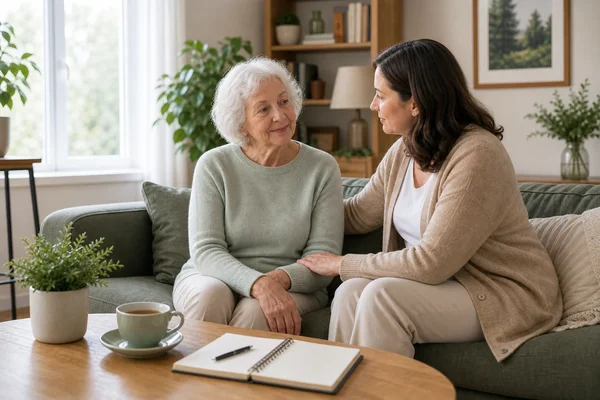
Why Depression Can Look Different in Elderly Women
Many older women grew up in families or communities where emotional distress was rarely discussed directly. They may say they are "just tired," "not sleeping well," or "not interested in going out" instead of saying they feel depressed. Some may worry about being a burden. Others may focus on physical discomfort because pain, appetite change, dizziness, or low energy feels easier to describe than hopelessness.
This does not mean every change is depression. Aging can bring grief, illness, medication changes, financial pressure, and changes in independence. The important question is whether the change is persistent, affects daily functioning, or feels out of character. A woman who has always enjoyed church, gardening, calls with friends, cooking, puzzles, or morning walks may need attention if she steadily loses interest and does not return to her usual rhythm.
Depression may also overlap with anxiety. Some elderly women become more worried, restless, or fearful about health, safety, money, or family conflict. Anxiety and depression can reinforce each other: poor sleep increases fatigue, fatigue reduces activity, reduced activity increases isolation, and isolation deepens low mood.
Common Signs of Depression in Elderly Women
The signs of depression in older adults often include emotional, physical, cognitive, and behavior changes. In elderly women, the clearest clue is usually a cluster of changes rather than one symptom by itself.
Watch for patterns such as:
- Ongoing sadness, emptiness, guilt, or hopelessness
- Loss of interest in activities, visitors, food, hobbies, or appearance
- Sleeping much more or much less than usual
- Appetite or weight changes that are not otherwise explained
- Low energy, slowed movement, or frequent complaints of exhaustion
- Irritability, worry, tearfulness, or unusual anger
- More aches, stomach upset, headaches, or pain complaints
- Difficulty concentrating, remembering, or making decisions
- Avoiding phone calls, appointments, errands, or social activities
- Talking about being useless, being a burden, or not wanting to live
Some depression symptoms in elderly women can be mistaken for dementia, normal aging, grief, or stubbornness. Memory complaints and poor concentration can appear when mood is low. A person may also seem less motivated because simple tasks feel overwhelming. If cognitive changes are new, worsening, or paired with mood changes, professional evaluation is important because several medical, neurological, sleep, medication, and mood-related issues can look similar from the outside.
Any talk of self-harm, wishing not to wake up, giving away important belongings, or putting affairs in order unexpectedly should be treated as urgent. In the United States, call or text 988 for immediate crisis support, and call emergency services if there is immediate danger.
What Causes Depression in an Elderly Woman?
There is rarely one single cause. The most common cause of depression in older adults is often a combination of health stress, loss, and social disconnection. For elderly women, several risk factors can gather slowly over months or years.
Poor physical health is a major contributor. Chronic pain, heart disease, cancer, stroke, diabetes, Parkinson's disease, thyroid problems, sleep disorders, and reduced mobility can all affect mood. Medical conditions may limit independence, reduce social contact, and make everyday tasks feel harder. Some medicines can also affect energy, sleep, appetite, or mood, especially when several prescriptions are used together.
Loss and grief matter too. The death of a spouse, sibling, friend, pet, or longtime neighbor can change the structure of daily life. Retirement, moving from a family home, giving up driving, or needing help with bathing, meals, or finances may also affect identity and confidence. Grief is natural, but grief that remains intense, narrows life, or includes persistent hopelessness may need professional support.
Social isolation is another strong risk factor. Women often spend years as relationship keepers for a family or community. Later in life, that network may shrink because of illness, relocation, disability, bereavement, caregiving strain, or limited transportation. Isolation can make symptoms harder to see and harder to interrupt.
Hormonal history, caregiving roles, trauma, financial stress, alcohol use, family conflict, and previous episodes of depression can also increase risk. The key is to look at the whole life context rather than asking one narrow question.

Consequences of Untreated Depression in the Elderly
Depression can affect more than mood. When it continues without care, it may reduce appetite, worsen sleep, lower activity, increase pain sensitivity, and make chronic illness harder to manage. An older woman may skip medications, miss medical visits, avoid movement, eat poorly, or stop doing the routines that keep her safe and connected.
Family relationships can also become strained. A caregiver may interpret withdrawal as rejection, irritability as ingratitude, or low motivation as refusal. The older woman may feel misunderstood, ashamed, or pressured. Over time, both sides can become exhausted.
Can an elderly person die from depression? Depression itself should not be treated as a simple direct cause in everyday conversation, but severe depression can increase the risk of suicide, self-neglect, malnutrition, unsafe medication habits, and poorer outcomes with other illnesses. That is why persistent hopelessness, sudden withdrawal, or thoughts of death deserve immediate attention.
The hopeful side is that depression in elderly women can improve with the right support. Many older adults benefit from a combination of medical care, psychotherapy, medication when appropriate, better sleep routines, movement matched to ability, social reconnection, grief support, and practical help with transportation, meals, pain, or caregiving stress.
How Geriatric Depression Screening Fits In
A screening questionnaire cannot replace a clinician's judgment, but it can help families and older adults put vague concerns into clearer language. The Geriatric Depression Scale was created for older adults and uses simple yes-or-no questions. It focuses less on symptoms that can overlap with physical illness and more on mood, interest, satisfaction, helplessness, and social withdrawal.
For a woman who says "I don't know how I feel," a structured online GDS screening option may make the conversation less personal and less confrontational. The score is not a final answer. It is a starting point for reflection and for a more informed discussion with a doctor, therapist, nurse, social worker, or geriatric specialist.
Screening can be especially useful when:
- A family member has noticed changes but the older adult minimizes them
- Mood changes appear alongside chronic illness, pain, or sleep problems
- A caregiver wants a respectful way to organize observations
- A professional visit is coming up and the family needs a concise summary
- The older woman wants privacy before deciding what to share
Use screening gently. Avoid springing it on someone during an argument. A better approach is: "I've noticed the last few months have seemed heavy. Would it feel okay to answer a few simple questions together and bring the results to your next appointment?"

Supportive Steps for Families and Caregivers
Dealing with old age depression starts with safety, respect, and consistency. You do not need to solve everything in one conversation. A calmer goal is to make it easier for the older woman to accept support without feeling judged.
Try these steps:
- Name specific observations. Say, "I noticed you have skipped bridge club for six weeks," rather than, "You are depressed."
- Ask permission. "Would it be alright if we talked about how your days have been feeling lately?"
- Listen for losses. Pay attention to grief, pain, fear, embarrassment, or loneliness beneath the behavior.
- Reduce practical barriers. Offer transportation, help scheduling an appointment, or help writing down symptoms.
- Support routines. Gentle movement, regular meals, daylight, sleep structure, and social contact can support care plans.
- Involve professionals. Encourage a primary care visit, mental health referral, medication review, or geriatric assessment when symptoms persist.
If you are helping a depressed elderly mother, avoid debating whether her feelings are "reasonable." Feelings do not have to be logical to be real. Try saying, "I can see this has been hard. I would like us to get more support around it." If she refuses help, keep the connection open and revisit the topic later, unless there is a safety concern.
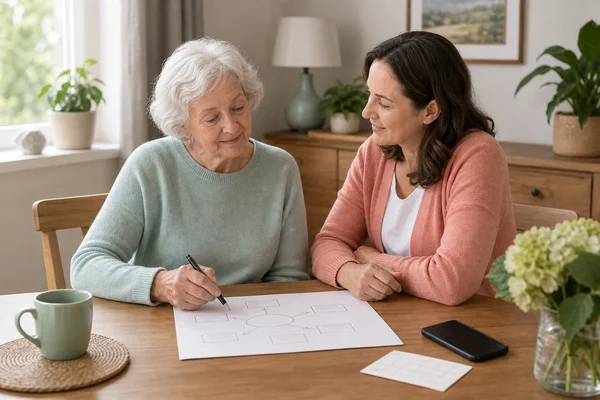
Treatment and Recovery: What Usually Helps
The most effective treatment for depression in older adults depends on the person, symptom severity, medical history, medications, cognitive status, safety risk, and preferences. For many elderly women, care is strongest when it combines professional treatment with everyday support.
Psychotherapy can help with grief, role changes, negative thought patterns, family stress, and loss of purpose. Medication may help some older adults, but it should be reviewed carefully because older bodies can be more sensitive to side effects and interactions. For severe symptoms, urgent safety concerns, or depression that does not improve, specialist mental health care may be needed.
Lifestyle support is not a substitute for professional care, but it can make treatment easier to sustain. Helpful supports may include scheduled social contact, manageable physical activity, pain management, hearing or vision support, better sleep habits, nutrition support, meaningful activities, spiritual care if desired, and caregiver respite.
When talking with a clinician, bring practical notes:
- When changes began
- Sleep, appetite, pain, memory, and activity changes
- Current medicines and supplements
- Recent losses, moves, illnesses, or hospital stays
- Any thoughts of self-harm or not wanting to live
- Results from any screening questionnaire
This kind of summary helps the appointment focus on patterns rather than rushed impressions.

A Gentle Screening Step Before the Next Conversation
If depression in elderly women is a concern in your family, a good next step is to document what you are seeing and create a lower-pressure path toward care. Write down symptoms, duration, safety concerns, medical changes, and the older woman's own words when possible. Then choose one supportive conversation, one practical offer, and one professional contact to pursue.
A private geriatric depression scale check can be part of that preparation. Use it as a reflection aid, not a verdict. If the score or the situation raises concern, share the result with a qualified professional who can consider medical history, medications, cognition, grief, and safety.
Most of all, keep the tone humane. Many elderly women have spent a lifetime caring for others and may need reassurance that needing help is not failure. It is a health concern, and it can be met with patience, dignity, and real support.
FAQ
What causes depression in an elderly woman?
Depression in an elderly woman is usually caused by several overlapping factors. Common contributors include chronic illness, pain, loss of independence, grief, loneliness, sleep problems, medication effects, financial stress, caregiving strain, and previous depression. The pattern matters more than any single cause.
What are the signs of depression in an elderly woman?
Signs may include loss of interest, withdrawal, low energy, sleep changes, appetite changes, irritability, hopelessness, frequent physical complaints, memory or concentration problems, neglected appearance, and talk of being a burden. In older adults, depression may not always look like obvious sadness.
Which older adults are more likely to have feelings of hopelessness?
Older adults may be more likely to feel hopeless when they live with chronic illness, pain, disability, isolation, bereavement, financial stress, limited mobility, poor sleep, or lack of access to care. Women who have lost important roles or support networks may need extra attention.
How do you deal with a depressed elderly mother?
Begin with specific observations, gentle questions, and practical support. Avoid arguing about whether she "should" feel better. Offer to help schedule a medical appointment, write down symptoms, review medications with a clinician, or sit with her during a visit if she agrees.
What is the most effective treatment for depression in older adults?
The most effective treatment is individualized. Many older adults benefit from psychotherapy, medication when appropriate, medical review, social support, movement matched to ability, sleep support, and help with pain or daily barriers. A health professional can help match care to the person's needs.
Can an elderly person die from depression?
Severe depression can increase risks such as suicide, self-neglect, poor nutrition, unsafe medication use, and worsening health outcomes. Any talk of self-harm, wanting to die, or feeling that life is not worth living should be treated as urgent and connected with crisis or emergency help.