GDS vs. PHQ-9: Choosing the Best Depression Scale for Seniors
Clinicians and caregivers face tough choices when screening seniors for depression. Should they use a specialized tool like the GDS or a general one like the PHQ-9? Understanding their differences is key to accurate care.
Which screening tool is right for your situation? This guide offers a comprehensive comparison to help you make an informed choice. It breaks down the purpose, format, and clinical application of each scale. For those looking to implement a trusted geriatric-specific screening, our platform provides an accessible and easy-to-use GDS tool to get started immediately.
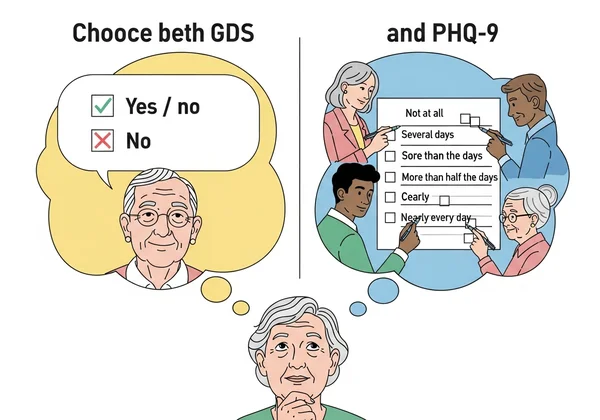
Geriatric Depression Scale vs. PHQ-9: An Overview of Key Tools
To choose the right instrument, it's important to first understand the design and purpose behind both the GDS and the PHQ-9. While both aim to detect depressive symptoms, they were developed for different populations and clinical contexts.
Understanding the Geriatric Depression Scale (GDS) for Older Adults
The Geriatric Depression Scale, or GDS, was created by J.A. Yesavage and colleagues specifically to screen for depression in older adults. Its design thoughtfully addresses the common challenges of geriatric assessment. The GDS focuses on the psychological and emotional symptoms of depression, such as sadness, loss of interest, and feelings of worthlessness.
A key feature of the GDS is its simple "yes/no" question format. This avoids the complexity of graded scales (e.g., "sometimes," "often"), which can be confusing for individuals with cognitive decline. By intentionally omitting somatic symptoms like fatigue or appetite changes—which often overlap with other medical conditions common in seniors—the GDS reduces the risk of false positives.
Exploring the Patient Health Questionnaire-9 (PHQ-9)
The Patient Health Questionnaire-9, or PHQ-9, is one of the most widely used depression screening tools in primary care settings. It is not specific to any age group and is designed for the general adult population. The nine questions are based directly on the diagnostic criteria for major depressive disorder found in the DSM-5 (Diagnostic and Statistical Manual of Mental Disorders).
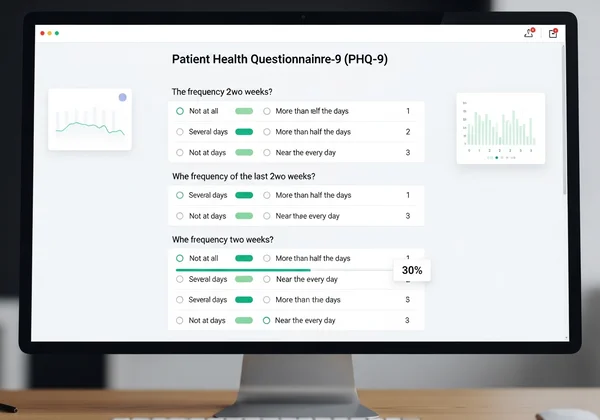
The PHQ-9 asks patients to rate how often they have been bothered by various symptoms over the past two weeks, using a four-point scale from "not at all" to "nearly every day." This format is useful for measuring symptom severity and monitoring a patient's response to treatment over time. Its brevity and direct link to diagnostic criteria have made it a standard tool in many clinical environments.
Distinct Features and Use Cases for Depression Scales in Elderly Care
The fundamental difference between the GDS and PHQ-9 lies in their specificity. The GDS is a specialist tool crafted for a particular demographic, while the PHQ-9 is a versatile generalist tool. This distinction has significant implications for their use in elderly care.
GDS's Specificity for Geriatric Populations: Key Advantages
The GDS has unique strengths for older adults. Designed specifically for seniors, it avoids pitfalls like conflating physical and mental symptoms.
- Avoids Confounding Somatic Symptoms: Older adults frequently experience physical symptoms like sleep problems, low energy, and poor appetite due to chronic medical conditions. The PHQ-9 includes these symptoms, which can artificially inflate a score and suggest depression when the root cause is physical. The GDS bypasses this issue by focusing on affective symptoms, leading to a more accurate emotional assessment.
- User-Friendly Format: The "yes/no" format is more straightforward for seniors, especially those with mild cognitive impairment or those who find nuanced scales difficult to interpret. This simplicity can improve the reliability of self-reported answers.
- High Validation in Older Populations: The GDS has been extensively studied and validated specifically within geriatric populations across various settings, from community-dwelling seniors to those in long-term care facilities. This provides a strong evidence base for its reliability.
For a screening that is both scientifically validated and easy to complete, you can access our GDS interpretation guide on our simple online platform.

General Applicability and Ease of Use: PHQ-9's Broad Role
While the GDS is specialized, the PHQ-9 has its own set of strengths that make it a valuable tool in many healthcare scenarios.
-
Tracks Symptom Severity: The 0-3 rating scale allows clinicians to quantify the severity of depressive symptoms and track changes more granularly over time. This is particularly helpful for monitoring the effectiveness of a treatment plan.
-
Direct Link to DSM Criteria: Each question on the PHQ-9 maps to a diagnostic criterion for major depression. This makes it a useful aid for clinicians working toward a formal diagnosis, though it is not a diagnostic tool itself.
-
Brevity and Familiarity: As a short, nine-item questionnaire, the PHQ-9 is quick to administer and score. Its widespread use in primary care means many clinicians are already familiar with its interpretation.
Scoring, Interpretation, and Diagnostic Considerations for Both Scales
Understanding the scores is crucial, but it is even more important to remember what they mean.
For the GDS-15 (the 15-item short form), a score of 0-4 is generally considered normal, 5-9 suggests mild depression, and 10 or more indicates moderate to severe depression. The PHQ-9 uses different thresholds: 5-9 suggests mild, 10-14 moderate, 15-19 moderately severe, and 20-27 severe depression.
Crucially, neither the GDS nor the PHQ-9 provides a diagnosis. They are screening tools designed to identify individuals who may need a more thorough evaluation. A high score on either scale is a signal to initiate a conversation and seek a comprehensive assessment from a qualified healthcare professional. An online GDS screening is a valuable first step, and you can share these GDS score insights with a doctor for a fuller picture.
Integrating GDS and PHQ-9 into Comprehensive Geriatric Assessment Tools
The most effective approach to geriatric mental health often involves using the right tool for the right situation. Both the GDS and PHQ-9 have a place in a comprehensive assessment strategy.
When to Prioritize the Geriatric Depression Scale in Practice
The GDS is often the superior choice in specific scenarios involving older adults. Consider using the GDS when:
- The individual has multiple chronic physical health conditions.
- There are signs of mild cognitive impairment that could make complex scales difficult.
- The assessment is taking place in a specialized geriatric setting, such as an assisted living facility or a geriatric clinic.
- The goal is to conduct an initial, user-friendly screening focused purely on mood.
When the PHQ-9 May Be More Appropriate or Supplementary
The PHQ-9 remains a highly useful tool, particularly in the following contexts:
- In a busy primary care clinic that serves adults of all ages.
- When a clinician needs to monitor a patient's response to an antidepressant or therapy.
- If somatic symptoms like changes in sleep or appetite are a primary concern that needs tracking.
- As a supplementary tool to gather more detail after an elevated GDS score.
Holistic Strategies for Geriatric Mental Health Screening
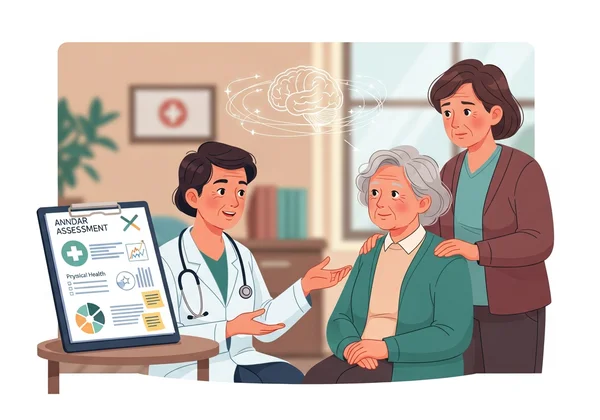
Ultimately, screening tools are just one piece of the puzzle. A truly holistic approach to geriatric mental health involves more than just a questionnaire. It requires clinical judgment, direct conversation, and input from family members or caregivers when appropriate.
A screening score should be the beginning of a conversation, not the end. Use the results from tools like the GDS to explore symptoms further, understand the individual's life context, and develop a person-centered care plan. Using an accessible platform to take a confidential GDS screening can provide the objective data needed to start that vital dialogue.
Empowering Informed Choices in Geriatric Depression Screening
Choosing the right depression scale ensures seniors get care tailored to their needs. The GDS, designed specifically for older adults, simplifies screening while reducing false alarms.
With the right tools, you can spot subtle signs of depression early—giving seniors the support they deserve.
To integrate a trusted GDS into your practice, use our clinician-friendly GDS tool to streamline screenings and get instant results.
Frequently Asked Questions About GDS and PHQ-9
What is the primary difference between the GDS and PHQ-9 for assessing older adults?
The primary difference is specificity. The Geriatric Depression Scale (GDS) was designed specifically for older adults, using a simple "yes/no" format and avoiding physical (somatic) symptoms that can be misleading in this population. The PHQ-9 is a general depression screening tool for all adults that measures symptom severity and aligns with DSM diagnostic criteria.
Can the GDS or PHQ-9 provide a definitive diagnosis of depression?
No. Both the GDS and the PHQ-9 are screening tools, not diagnostic instruments. They are designed to identify individuals who are at risk for depression and require further evaluation. A definitive diagnosis can only be made by a qualified healthcare professional after a comprehensive clinical assessment.
How are scores on the Geriatric Depression Scale and PHQ-9 typically interpreted?
GDS-15 scores above 5 suggest possible depression. PHQ-9 scores above 10 signal moderate depression. In both cases, higher scores mean a professional follow-up is crucial.
Who is the ideal user for the Geriatric Depression Scale versus the PHQ-9?
The ideal user for the GDS is a clinician, caregiver, or researcher focused on older adults, particularly those with complex medical histories or potential cognitive challenges. The PHQ-9 is ideal for primary care settings screening a general adult population or for tracking symptom changes over time. For a specialized and reliable GDS assessment, our free online tool is a perfect starting point.
Are there any age limitations for using the Geriatric Depression Scale or PHQ-9?
The GDS is specifically designed and validated for older adults, typically considered to be age 55 or 65 and older. The PHQ-9 is validated for the general adult population (ages 18 and up). While it can be used with seniors, it may be less accurate due to its inclusion of somatic symptoms.