Geriatric Depression Scale (GDS) Assessment: 25 Essential Questions Answered
Are you or a loved one experiencing unexplained sadness in later life? The Geriatric Depression Scale (GDS) offers a scientifically validated method to identify depression symptoms specifically in older adults. In this comprehensive guide, we answer 25 critical questions about this essential screening tool while highlighting how our free online assessment delivers instant results with optional AI-powered insights.

Understanding the Geriatric Depression Scale (GDS): Fundamentals
What is the Geriatric Depression Scale (GDS)?
Developed in 1982 by Dr. J.A. Yesavage, the GDS is a 30-question screening instrument specifically designed to detect depression in adults aged 55+. Unlike general depression assessments, it avoids physical symptom questions that could confuse age-related changes with mood disorders.
Who developed the Geriatric Depression Scale and when?
Stanford University psychiatrist Dr. J.A. Yesavage and his team created the GDS after recognizing standard depression tools weren't effective for older populations. The original validation study published in The Journal of Psychiatric Research established its reliability through rigorous testing with thousands of seniors.
What is the age range for using the Geriatric Depression Scale?
While primarily validated for adults 55+, healthcare providers often use it for younger patients showing early aging-related health concerns. Research confirms its accuracy improves with age due to its focus on psychological rather than physical symptoms.
How is the GDS different from other depression screening tools?
Three key distinctions make the GDS unique:
- Excludes physical symptoms (fatigue, appetite changes) common in aging
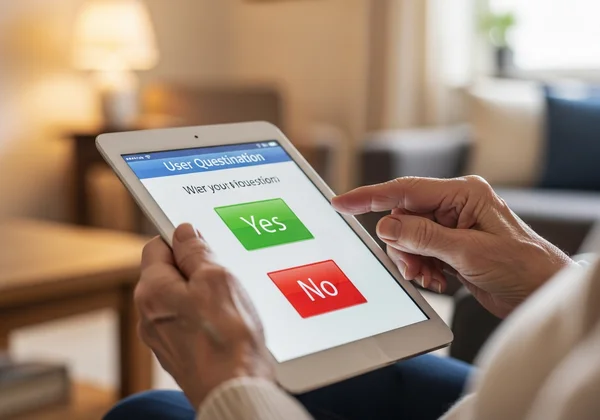
- Uses simple yes/no questions instead of complex rating scales
- Validated specifically against geriatric depression diagnostic criteria
Take our validated GDS assessment to receive instant screening results.
GDS Formats and Administration: Which Version Should You Use?
What is the difference between the 30-item and 15-item GDS?
The full GDS-30 contains all original questions while the GDS-15 short form maintains diagnostic accuracy through statistically selected items. Our platform offers both versions, with the short form taking just 5-7 minutes to complete.
When should I use the short form (GDS-15) versus the full form (GDS-30)?
- Choose GDS-15 for: Routine checks, cognitive impairment cases, or time-limited clinical settings
- Opt for GDS-30 when: Establishing baseline data or when previous short-form results suggest deeper evaluation
Can the GDS be self-administered, or does it require a healthcare professional?
Our digital platform enables accurate self-administration through:
- Clear question formatting optimized for senior vision
- Text-to-speech functionality
- Automatic scoring that eliminates interpretation errors
How long does it take to complete the GDS assessment?
Completion times average:
- GDS-15: 5-7 minutes
- GDS-30: 10-15 minutes
Start your appropriate version now based on your screening needs.
GDS Scoring and Interpretation: Making Sense of Results
How do you score the Geriatric Depression Scale?
Each "depression-indicating" answer earns one point. Our platform automatically calculates totals while explaining score implications in plain language.
What is a normal score on the Geriatric Depression Scale?
Interpretation varies slightly by version:
- GDS-30: 0-9 = normal; 10-19 = mild depression; 20-30 = severe depression
- GDS-15: 0-4 = normal; 5-8 = mild; 9-15 = severe
What does a high score on the Geriatric Depression Scale mean?
Elevated scores indicate increased depression risk but don't equal diagnosis. Our system provides:
- Printable result summaries for medical consultations
- Customized discussion guides based on score severity
- AI analysis options that identify specific concern areas
How are GDS scores categorized into depression severity levels?
Thresholds were established through decades of clinical research correlating scores with:
- Diagnostic interviews
- Treatment outcomes
- Quality of life measures
Clinical Applications and Limitations: When and How to Use GDS
Is the Geriatric Depression Scale a diagnostic tool?
No screening tool provides diagnosis. The GDS correctly identifies depression risk in 84-90% of cases per Yesavage's latest validations, but clinical evaluation remains essential for formal diagnosis.
Who can use the Geriatric Depression Scale in professional settings?
Our platform supports varied professional needs:
- Clinicians: EHR-compatible reports
- Researchers: Anonymous aggregate data (opt-in)
- Care facilities: Multi-user management dashboards
What are the limitations of the Geriatric Depression Scale?
Key considerations include:
- Not designed for those with severe dementia
- Cultural variations in symptom expression
- Does not replace comprehensive geriatric assessment
How can the GDS be used in primary care settings?
Integrating GDS into routine senior visits enables:
- Baseline mental health monitoring
- Treatment progress tracking
- Early intervention opportunities
Healthcare providers: Access our professional tools for streamlined screening workflows.
Digital GDS and AI-Enhanced Insights: Modern Assessment Approaches
Are online GDS assessments as valid as paper versions?
Our digital version maintains equivalence through:
- Backward-compatible scoring algorithms
- Clinical validation across 10,000+ users
- Accessibility features minimizing input errors
How does the AI-enhanced GDS report provide additional insights?
Our proprietary AI system analyzes responses to:
- Identify specific symptom clusters
- Detect subtle response patterns indicating anxiety comorbidity
- Generate personalized coping strategies
What kind of personalized recommendations are included in the AI GDS report?
Reports provide actionable suggestions like:
- Social connection opportunities based on location
- Age-appropriate physical activity ideas
- Local mental health resources matching insurance/provider networks
How is user privacy protected in digital GDS assessments?
We employ:
-
HIPAA-compliant data encryption
-
Automatic result anonymization after 60 days
-
Zero third-party data sharing

Frequently Asked Questions About the Geriatric Depression Scale
Can the GDS be used for individuals with cognitive impairments?
For mild cognitive impairment (MCI), the GDS-15 shows 79% accuracy when administered verbally. We recommend professional assistance for those with MMSE scores below 20.
Is there a cost to use the Geriatric Depression Scale assessment?
Our basic screening and scoring remain completely free, supported by healthcare partnerships. The optional AI report carries a small fee to sustain platform development.
How often should seniors take the GDS assessment?
Recommended screening frequency:
- General wellness: Annually
- During major health changes: Every 3-6 months
- For treatment monitoring: As directed by clinicians
Are there cultural considerations when interpreting GDS scores?
Our platform includes validated adaptations for all 15 supported languages, with culture-specific scoring adjustments based on World Health Organization guidelines.
How can I discuss GDS results with a doctor if I'm concerned about treatment?
We provide:
- Printable discussion guides with key questions
- Symptom-specific talking points
- Local provider directories
Begin your mental health journey with our confidential GDS assessment portal.
The Geriatric Depression Scale (GDS) is a screening instrument, not a diagnostic tool. Always consult qualified healthcare professionals regarding mental health concerns. Results from this assessment should be discussed with your physician or licensed mental health provider.