How to Help Seniors With Depression: A Caregiver’s Guide to Support & Action
Watching an aging parent or loved one lose their spark is heartbreaking. You might notice them withdrawing from hobbies, sleeping more, or becoming unusually irritable. It’s natural to feel helpless, but depression is not a normal part of aging—it is a treatable condition.
This guide is designed for caregivers like you. We will walk you through how to spot the silent signs of depression in older adults, provide scripts for starting difficult conversations, and offer practical daily steps to lift their mood. Most importantly, we’ll help you understand when it’s time to seek professional help and how tools like the Geriatric Depression Scale (GDS) test online can be a valuable first step in that journey.
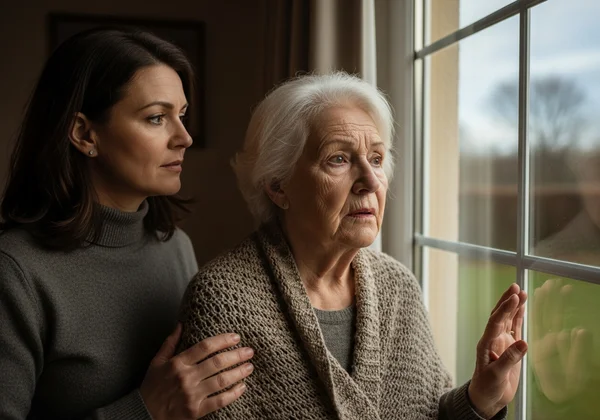
Spotting the Silent Signs: Is It Aging or Depression?
Many people assume that feeling "blue" is just part of getting older. This is a dangerous myth. While aging brings changes, persistent sadness or loss of interest is not inevitable. Recognizing the difference between normal aging and clinical depression is your first step as a caregiver.
The "Grumpy" Myth: Why Irritability often Masks Sadness
In older adults, depression doesn't always look like sadness. Instead of crying or talking about feeling down, a senior might become grumpy, irritable, or demanding. This is often dismissed as just being "cantankerous" in old age.
However, if your usually patient father suddenly snaps at small things or your mother seems constantly dissatisfied, these could be signs of depression in seniors. Pay attention to sudden changes in personality rather than just looking for tears.
Physical Clues: Pain, Sleep, and Appetite Changes
Depression in the elderly often shows up physically. You might notice unexplained aches and pains that don't respond to treatment. Sleep patterns are another major indicator—either sleeping too much (hypersomnia) or waking up very early and being unable to go back to sleep (insomnia).
Appetite changes are also common. Significant weight loss without trying, or a complete lack of interest in food, can signal emotional distress. If a doctor has ruled out other medical causes for these physical symptoms, it’s time to consider mental health.
Memory Loss: Is It Dementia or Pseudo-Dementia?
This is one of the most confusing aspects for families. Depression can cause "pseudo-dementia," where a senior has trouble focusing or remembering things.
Key Differences:
- Depression: The person often notices their memory problems and worries about them. When asked a question, they might say "I don't know" because they lack the energy to try.
- Dementia: The person may not realize they have memory issues and might try to cover them up or confabulate (make up) answers.
If you are unsure, treating the depression first often improves cognitive function significantly.
Breaking the Silence: How to Talk to a Senior Parent About Depression
Knowing there is a problem is one thing; talking about it is another. Many seniors belong to a generation where mental health was a taboo subject. They may view depression as a character flaw or a weakness.
Timing Is Everything: Picking the Right Moment
Choose a time when you are both calm and have privacy. Avoid bringing this up during a family gathering or when they are already stressed. A quiet moment over a cup of tea or during a drive often works best because it feels less like an interrogation.
The "Script Box": What to Say (and What to Avoid)
Using the right words can prevent defensiveness. Focus on your observations and feelings rather than labeling them.
| Avoid Saying This | Try Saying This Instead |
|---|---|
| "You seem depressed." | "I’ve noticed you haven't been yourself lately, and I’m concerned because I love you." |
| "You need to snap out of it." | "It seems like things have been really heavy for you recently." |
| "You should see a psychiatrist." | "I think a check-up with the doctor might help us figure out why you've been so tired." |
Overcoming Denial: Handling Resistance with Empathy
If your parent denies anything is wrong, don't argue. Validating their feelings is more effective than forcing them to admit to a diagnosis.
You might say, "I understand you feel fine, but I’ve noticed you aren't sleeping well. Would you be willing to see the doctor just for the sleep issues?" often, focusing on a physical symptom (sleep, pain, fatigue) is an easier "doorway" to getting them help than discussing mental health directly.

5 Practical Ways to Help a Senior Fight Depression Daily
While professional help is crucial, knowing how to help seniors with depression through daily support plays a massive role in their recovery. You don't need to be a therapist to make a difference. Small, consistent actions can help lift the fog of depression.
Structuring the Day: The Power of Routine
Depression thrives in chaos and inactivity. Help your loved one establish a gentle daily routine. Waking up, getting dressed, and having meals at the same time every day provides a sense of security and normalcy.
Gentle Movement & Nutrition: Small Physical Wins
Exercise is a natural antidepressant, but you don't need to run a marathon. Encourage simple movement like:
- A 10-minute walk around the block.
- Gentle stretching or chair yoga.
- Gardening or watering plants.
Ensure they have easy access to nutritious food. Sometimes, a lack of vitamins (like B12 or Vitamin D) can worsen depressive symptoms.
Reducing Isolation: Connection over Perfection
Loneliness is a major trigger for depression in older adults. Look for low-pressure ways to connect. This doesn't mean a big party, which can be overwhelming. Instead, try:
- Short, regular phone calls.
- Visits from grandchildren or pets.
- Listening to music together.
Finding Purpose: Chores, Hobbies, and Contributions
Everyone wants to feel useful. Ask for their help with small tasks that are within their ability, like folding laundry, sorting recipes, or giving advice on a topic they know well. Feeling needed restores a sense of purpose and dignity.
Understanding Severity: The Role of Screening
Sometimes, despite your best efforts, it’s hard to tell how severe the situation is. Is this just a passing phase, or is it clinical depression requiring medical intervention? Relying solely on your gut feeling can be stressful.
Why Gut Feeling Isn't Enough: The Value of Objective Data
Emotions can cloud our judgment. You might minimize symptoms because you don't want to believe your parent is unwell, or you might panic over minor changes. Using a standardized tool provides an objective baseline. It separates "worry" from "data."
Using the GDS as a "Communication Bridge" to Doctors
Doctors often have very limited time during appointments. Seniors may also mask their symptoms in front of professionals, acting cheerful for the 15-minute visit.
Coming prepared with results from a screening tool can bridge this gap. It gives the doctor immediate, specific information about mood, energy, and outlook without you having to say a word in front of your parent.
How the Screening Works (It's Educational, Not Diagnostic)
The Geriatric Depression Scale (GDS) is a widely used questionnaire specifically designed for older adults. Unlike general depression tests, it focuses less on physical symptoms (which can be misleading in seniors) and more on emotional satisfaction and social withdrawal.
It is important to remember that this is an educational tool, not a medical diagnosis. It helps you understand risk levels and provides a clear report to start a conversation with a healthcare professional.
If you are unsure about the signs you are seeing, taking a few minutes to complete a screening can provide clarity.
Take the Next Step: Use our Geriatric Depression Scale (GDS) online resource to get a preliminary assessment. It is free, confidential, and takes less than 5 minutes. You can print the results to share with your family or doctor.

Navigating Medical Treatment and Next Steps
Once you have identified the signs and perhaps used a screening tool, the next step is professional evaluation. Depression in the elderly is highly treatable, often with a combination of therapy, medication, and lifestyle changes.
Preparing for the Appointment: What to Bring and Ask
To make the most of the doctor's visit, go prepared.
- Bring a list of symptoms: Note down specific changes in sleep, appetite, or mood.
- Bring current medications: Some drugs can cause depressive side effects.
- Bring the GDS report: If you used the Geriatric Depression Scale online, bring the printout.
- Ask specifically: "Could these symptoms be related to a medication interaction?" or "What non-drug options do you recommend?"
Types of Professionals: Geriatric Psychiatrists vs. GPs
Start with their primary care physician (GP) to rule out physical causes like thyroid issues or infections. However, if the depression is complex, ask for a referral to a geriatric psychiatrist. These specialists are trained in the unique physical and emotional needs of older adults, including how aging bodies process medications differently.
Treatment Options Overview: Therapy and Medication
- Talk Therapy (Psychotherapy): Cognitive Behavioral Therapy (CBT) is very effective for seniors. It helps them reframe negative thoughts and cope with life changes like grief or retirement.
- Medication: Antidepressants can help, but older adults often need lower doses. "Start low and go slow" is the golden rule to avoid side effects.
Emergency Resources: When to Seek Immediate Help
If your loved one expresses thoughts of suicide, death, or self-harm, take it seriously immediately.
- Call 911 or your local emergency number.
- Contact the 988 Suicide & Crisis Lifeline (in the US).
- Do not leave them alone.
Patience and Partnership: The Road to Recovery
Recovery takes time. There will be good days and bad days. Your role is not to "fix" them, but to walk beside them. Remember to take care of yourself, too—caregiver burnout is real. By staying informed, using tools like the Geriatric Depression Scale (GDS), and seeking professional support, you are doing everything right to help your loved one find their way back to themselves.
Frequently Asked Questions
What is the most common cause of depression in older adults?
There isn't one single cause. It is often a combination of biological factors (brain chemistry), health issues (chronic pain, stroke, heart disease), and life events (loss of a spouse, retirement, social isolation).
Can I help a senior who refuses to go to the doctor?
Yes. Try focusing on a physical symptom they do want to fix, like insomnia or fatigue. Suggest seeing the doctor for that specific issue. Often, once they are in the office, the doctor can broaden the conversation to include mood.
What activities are best for depressed seniors?
Low-stress, repetitive activities often work best. Walking, gardening, sorting items, listening to music from their youth, or simple crafts can help reduce anxiety and improve mood without the pressure of "performance."
Is memory loss always a sign of dementia?
No. Depression often causes "brain fog" or lack of concentration that mimics dementia. The good news is that when depression is treated, these memory problems usually improve, whereas dementia is progressive.