Implementing GDS Screening at Home, Clinic, and Care Facilities
Mental health is a vital part of overall well-being, especially as we age. Depression in older adults is often misunderstood or overlooked because its symptoms can look like other health issues. Are you noticing changes in a loved one's mood or energy? Recognizing the signs early can make a significant difference in their quality of life.
The Geriatric Depression Scale (GDS) is a globally recognized tool designed to help identify depressive symptoms in seniors. Whether you are a family member, a doctor, or a facility manager, knowing how to use this tool effectively is the first step toward better care. You can start the test today to see how it can help your situation.
In this guide, we will explore how to implement GDS screening in various environments. From the comfort of a living room to the busy schedule of a medical clinic, we provide practical steps to ensure accurate and helpful results.

Understanding Geriatric Depression Scale Implementation and Its Importance
Implementing a screening process is more than just asking questions. It is about creating a system where mental health is prioritized and monitored regularly. When we talk about geriatric depression scale implementation, we refer to the structured way this tool is used to identify seniors who may need extra support.
Why Mental Health Screening is Crucial for Seniors
Depression is not a normal part of aging. However, many seniors face life changes like retirement, loss of loved ones, or chronic illness that can impact their mood. Without a formal screening tool, these feelings might be dismissed as "just getting older."
Regular screening allows for early intervention. When depression is caught early, it is much easier to manage through lifestyle changes, therapy, or medical support. By using a free GDS tool, caregivers and professionals can gain a clear baseline of a senior's emotional health.
The Science Behind the GDS Screening Tool
The GDS was developed specifically for older adults. Unlike other depression scales, it focuses less on physical symptoms—which can be confused with other illnesses—and more on how a person feels. The scale typically uses a simple "Yes/No" format, making it very easy for seniors to complete without feeling overwhelmed.
Scientific studies, such as those by Yesavage and colleagues, have proven that the GDS is highly reliable. There are two common versions: the long form with 30 questions and the short form with 15 questions. Both are designed to provide a quick yet accurate snapshot of a person’s mental state over the past week.
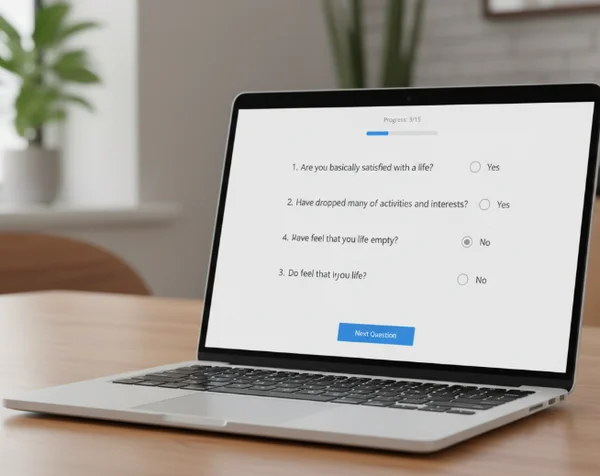
How to Conduct Depression Screening in a Home Environment
For many families, the home is the best place to start a mental health conversation. It is a familiar environment where the senior feels safe. However, family caregivers must approach the process with sensitivity to ensure the senior does not feel judged or "tested."
Creating a Safe and Comfortable Space
Before starting the online GDS test, pick a time when the senior is well-rested and free from distractions. Avoid times right after a doctor's appointment or a stressful event. A quiet living room or kitchen table is usually best.
Explain that this is a simple wellness check, similar to checking blood pressure. Make sure they understand there are no "wrong" answers. If the senior has trouble reading the screen, you can read the questions aloud to them. Ensure they answer based on how they have felt during the past week specifically.
Communicating Results with Compassion
Once the test is complete, you will receive an immediate score. If the score suggests a risk of depression, stay calm. Remember that the GDS is a screening tool, not a final medical diagnosis. Use the results as a conversation starter.
You might say, "Based on these answers, it seems you’ve been feeling a bit down lately. Let’s talk to your doctor about this to see how we can help you feel better." Using an assessment tool helps take the guesswork out of the conversation and provides concrete information to share with healthcare providers.

Optimizing the GDS Workflow in Healthcare and Clinical Settings
In a clinical setting, time is often limited. Doctors and nurses need a way to screen patients quickly without disrupting the flow of the day. Integrating the GDS into the standard intake process ensures that mental health is never ignored.
Integrating Screening into Patient Intake
One of the most efficient ways to use the GDS in a clinic is to have patients complete the short-form version while they are in the waiting room. This can be done on a tablet or a mobile device. By the time the patient sees the provider, the score is already available for review.
If a patient shows signs of cognitive decline, the staff should be prepared to assist with the questions. The "Yes/No" format of the GDS is particularly helpful here, as it requires less mental effort than scales that use a 1-to-10 rating system.
Using AI Reports for Better Clinical Insights
Modern technology has made GDS results even more powerful. After completing the GDS assessment, users can opt for an AI-driven report. In a clinical environment, these reports offer deeper insights into specific challenges and strengths.
These personalized reports can help doctors identify patterns that a simple score might miss. For example, the AI might highlight that a patient’s primary struggle is social withdrawal rather than a lack of energy. This allows the healthcare team to create a much more targeted care plan.

Managing GDS Screening in Nursing Homes and Care Facilities
Nursing homes and assisted living facilities have a unique responsibility to monitor the mental health of many residents at once. Because residents live in these facilities, staff have the opportunity to notice changes in behavior over time.
Establishing Regular Screening Intervals
Consistency is key in long-term care. We recommend implementing GDS screening at least once every three to six months for all residents. Additionally, a screening should be conducted whenever a resident experiences a major life change, such as a change in room, a new health diagnosis, or the loss of a friend within the facility.
Maintaining records of these scores allows staff to track trends. When a resident's score increases over several months, it serves as an early warning system. This allows the facility's social workers or doctors to step in before a crisis occurs.
Training Staff for Consistent Assessment
For screening to be effective, all staff members—from nurses to activity directors—should understand what the GDS is. They don’t need to be psychologists, but they should know how to encourage a resident to take the online GDS test and how to report the findings to the medical director.
Training should emphasize that the GDS is a tool of empowerment. It gives the residents a voice to express their feelings, which can often be lost in a busy institutional setting.
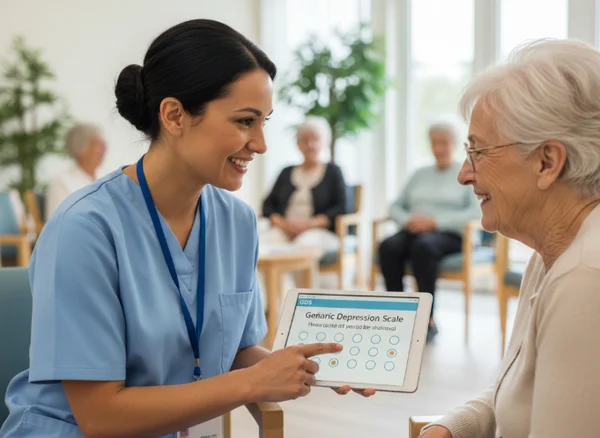
Best Practices for Implementing Depression Screening for the Elderly
No matter where the screening takes place, following best practices ensures the data is accurate and the senior is treated with dignity.
Maintaining Privacy and Data Security
Privacy is a major concern for many seniors. They may fear that admitting to feeling depressed will lead to a loss of independence. Always assure the individual that their data is protected and that the screening is intended to help them stay independent and healthy for longer.
When using online tools, ensure you are using a platform that prioritizes security. Our platform uses encryption to keep all answers anonymous and safe. This builds trust between the caregiver and the senior.
When to Seek Professional Medical Advice
It is important to remember that a high score on the GDS does not automatically mean a person has clinical depression. Many factors, including medication side effects or physical illness, can mimic depressive symptoms.
The main purpose of the GDS screening tool is to recognize when professional consultation is needed. When a score suggests potential depression, the appropriate next step is always scheduling an appointment with a qualified doctor or mental health professional.
The Takeaway
What is the Geriatric Depression Scale (GDS)?
The GDS is a 30-item or 15-item questionnaire used to identify depression in older adults. It uses simple "Yes" or "No" questions about how the person has felt over the past week. You can start the test online for free to see the questions.
How often should GDS screening be performed?
For healthy seniors, once a year during an annual checkup is standard. For those in care facilities or those with chronic health issues, screening every 3 to 6 months is recommended to catch changes early.
Can I use the GDS for someone with dementia?
Yes, the GDS is often used for individuals with mild to moderate dementia. Because the questions are simple and require only a "Yes" or "No" answer, it is easier for them to complete than other types of psychological tests.
What is a normal score on the Geriatric Depression Scale?
On the short-form (15-question) version, a score between 0 and 4 is generally considered normal. A score of 5 or higher suggests the presence of depressive symptoms and should be discussed with a doctor.
Take the Next Step
When families and healthcare teams use the Geriatric Depression Scale effectively, they create a safety net that helps seniors maintain their emotional well-being. Whether you are using it at home to check on a parent, in a clinic to improve patient care, or in a nursing home to monitor residents, the GDS provides the clarity needed to take action.
The real value of screening lies in creating opportunities for meaningful connection and support that can significantly improve quality of life. Making regular screening part of elder care routines through a GDS screening tool shows your commitment to supporting seniors' mental health at every stage of their journey.
If you are ready to check in on your own mental health or that of a loved one, please visit our homepage and start the test today. It is free, fast, and scientifically validated to help you navigate the journey of aging with confidence.