Multilingual Geriatric Depression Scale for Non-English Speakers
Mental health is a universal human experience, and so is the challenge of depression in older adults. As our world becomes more connected, families and healthcare providers face a significant hurdle: language barriers. How can we effectively screen for depression in seniors who do not speak English? This question is vital for providing equitable and accurate care.
The Geriatric Depression Scale (GDS) is a globally recognized tool for assessing mood in older adults. However, its power is limited if it cannot be understood by the person taking it. A multilingual approach is not just a convenience; it's a necessity for inclusive mental health support. This guide explains why a multilingual GDS is so important and how you can access a reliable, easy-to-use version online.
On our platform, we believe language should never be a barrier to well-being. We offer a scientifically validated GDS assessment in over a dozen languages, ensuring seniors, caregivers, and professionals worldwide can get the insights they need. You can try our free tool today to see how it works.
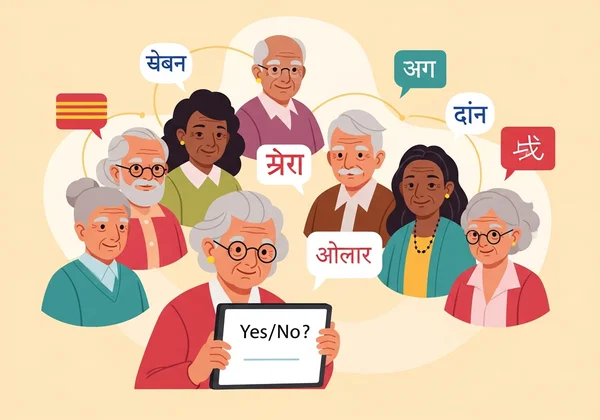
Why a Multilingual Geriatric Depression Scale Matters
Using a depression screening tool in a person's native language is fundamental to achieving meaningful results. It goes beyond simple translation; it's about ensuring clarity, comfort, and accuracy. Seniors think and feel in their native language. Using it for questions makes the assessment reliable. It also feels more respectful.
Bridging Communication Barriers for Accessible Care
Imagine asking a loved one about their feelings using a language they only partially understand. Misinterpretations are likely, leading to inaccurate answers and a frustrating experience. A multilingual Geriatric Depression Scale removes this obstacle. When questions are presented in a senior’s native tongue, they can fully comprehend the nuances and respond with confidence.
This direct communication empowers older adults to participate actively in their own mental health care. It also makes the screening process easier for family caregivers and healthcare professionals who may not speak the same language as the senior they are supporting. Accessible care begins with clear understanding, and that’s what a translated GDS provides.
Enhancing Accuracy Through Culturally Sensitive Assessments
Accurate screening depends on more than just words. It requires questions that are culturally relevant and sensitive. A direct, literal translation might miss subtle cultural meanings or even ask questions that don't make sense in a different cultural context. This can skew the results and lead to a misunderstanding of the senior's emotional state.
A top multilingual GDS adapts carefully. Each question must capture the same feelings across cultures. Experts call this 'transcultural validation.' It ensures reliable scores. A culturally sensitive assessment builds confidence. The results show true emotions. They avoid confusion from language or culture gaps. This commitment to accuracy is central to our online GDS test.
How GeriatricDepressionScale.com Adapts for Diverse Languages
Providing a reliable multilingual tool requires more than just running text through an online translator. It demands a commitment to professional validation and a user-friendly experience. Our platform was designed to serve a global audience with precision and care, ensuring that every user, regardless of language, receives a high-quality assessment.
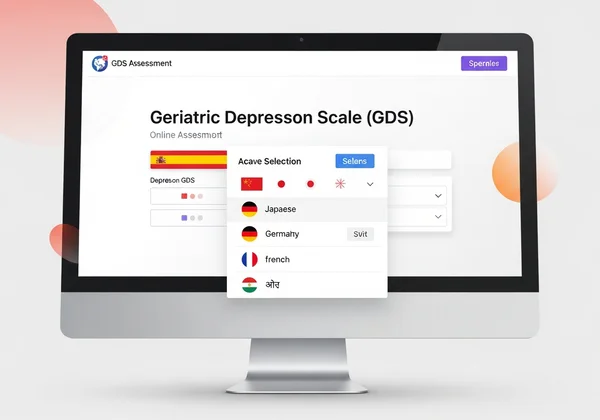
Our Verified GDS Translations: Spanish, Chinese, Japanese, and Beyond
We offer the Geriatric Depression Scale in a wide array of languages to serve diverse communities. Whether you need the Geriatric Depression Scale in Spanish, Chinese, Japanese, Vietnamese, German, French, or Hindi, our platform has you covered. Each translation has been carefully vetted to align with established, scientifically validated versions of the GDS.
Our goal is to provide a tool that healthcare professionals can trust and that families can use with confidence. By offering numerous verified translations, we help ensure that you can conduct a GDS screening that is both linguistically accurate and culturally appropriate. You can easily select your preferred language right from our homepage and start your assessment in minutes.
Tips for Caregivers & Professionals Assisting Non-English Speaking Seniors
Administering the GDS to a non-English speaking senior can be a smooth process with the right approach. Here are a few practical tips:
- Create a Comfortable Environment: Find a quiet, calm space where the senior feels relaxed and not rushed. Explain the purpose of the questionnaire in a simple, reassuring way.
- Select the Correct Language: Before starting, ensure you have selected the senior's primary language on the platform.
- Read Questions Aloud if Needed: For seniors with vision difficulties or low literacy, read each question aloud clearly and slowly. Avoid rephrasing the questions, as this can alter their meaning.
- Be Patient and Supportive: Allow them ample time to consider each "Yes" or "No" answer. Reassure them that there are no right or wrong answers—only their personal feelings over the past week.
- Focus on Screening, Not Diagnosis: Remind yourself and the senior that the GDS is a screening tool to identify potential concerns. It is not a diagnosis. Always discuss the results with a qualified healthcare professional.
Navigating Cultural Nuances in GDS Responses
Language is deeply intertwined with culture. How a person expresses sadness, joy, or apathy can vary significantly across different cultural backgrounds. Acknowledging these nuances is essential for correctly interpreting GDS results and providing truly person-centered care. A high score may mean one thing in one culture and something slightly different in another.
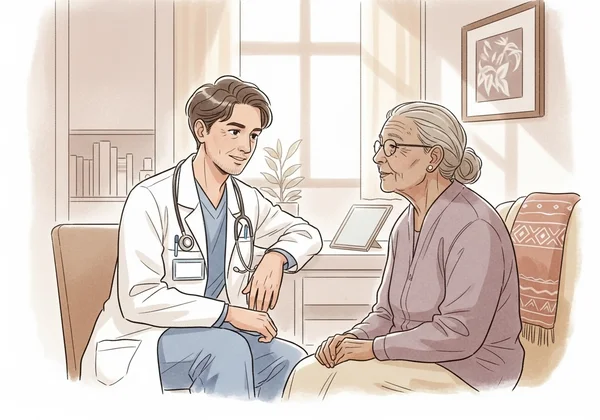
Interpreting GDS Scores with Cultural Context in Mind
While the GDS scoring system is standardized, the interpretation of those scores should always consider cultural context. Some cultures rarely discuss sadness openly. This can affect answers to certain GDS questions. Conversely, some expressions of physical discomfort might be a more culturally accepted way of communicating emotional distress.
Therefore, when reviewing the results, it's helpful to think beyond the number. Consider the score as a starting point for a conversation. A healthcare professional with cultural competency can help place the score in the proper context, leading to a more accurate understanding of the senior's well-being. Our platform provides an instant score to facilitate this important next step.
Beyond Translation: Ensuring Meaningful & Reliable Results
A successful multilingual tool is one that achieves equivalence in meaning, not just words. This means that each question on the GDS should evoke the same concept and emotional inquiry, regardless of the language it's presented in. This is why professional, validated translations are non-negotiable.
Our free GDS tool prioritizes this principle to deliver meaningful and reliable results you can trust. By using a tool built on a foundation of scientific rigor and cultural awareness, you are better equipped to identify potential signs of depression early and effectively. The first step toward getting these reliable insights is to take the free test.
Bridge the Gap Today
Depression doesn't care about language—and our tools shouldn't either. Offering the GDS in your language means seniors everywhere can open up about how they're feeling, caregivers can stay connected, and pros get the data to help.
Your journey toward better understanding starts with accessible tools. With our online tool, you can instantly access the GDS in the language you need, get an immediate score, and take the first step in a proactive approach to senior mental health.
Ready to bridge the language gap? Take the multilingual GDS test today and get the clear insights you need to support yourself or your loved ones.
Frequently Asked Questions About the Multilingual GDS
What is the Geriatric Depression Scale (GDS)?
The Geriatric Depression Scale (GDS) is a self-report questionnaire designed specifically to screen for signs of depression in older adults. It uses a simple "Yes/No" format to ask about an individual's mood and feelings over the past week. It is widely used by clinicians and researchers worldwide due to its reliability and ease of use.
Is the Geriatric Depression Scale a diagnostic tool?
No, it is very important to understand that the GDS is a screening tool, not a diagnostic tool. It helps identify individuals who may be at risk for depression and should be further evaluated. A high score indicates that a consultation with a doctor or mental health professional is strongly recommended to determine an accurate diagnosis.
What is the GDS short form?
The GDS short form is a condensed version containing 15 questions instead of the original 30. It is often preferred for its speed and simplicity, making it ideal for initial screenings in busy clinical settings or for seniors who may have difficulty concentrating for longer periods. Our website allows you to choose between the 15-item and 30-item versions. You can start your test with either form.
What are the age requirements for the Geriatric Depression Scale?
The GDS was specifically developed and validated for use with older adults, generally considered to be individuals aged 55 and over. It is designed to be effective even for individuals with mild to moderate cognitive impairment, as its "Yes/No" format avoids complex questions that rely heavily on memory.